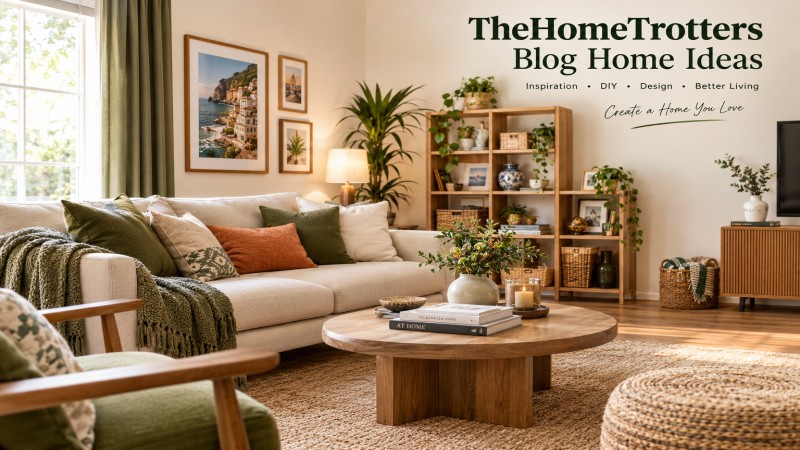
A beautiful home does not require an unlimited budget, expensive furniture, or a professional interior designer. Instead, homeowners can create inviting, functional, and stylish spaces by making thoughtful design choices. From refreshing an entryway to organizing a living room, small improvements can transform the atmosphere of an entire home. The right colors, textures, lighting, and storage solutions can also make everyday living more comfortable.
TheHomeTrotters Blog Home Ideas inspires homeowners to explore practical interior design, smart home technology, DIY projects, seasonal decorating, organization, and essential home repairs. Whether you live in a small apartment or a spacious family house, you can use these ideas to improve your surroundings without sacrificing comfort or personality.
Furthermore, a well-designed home should reflect your lifestyle, interests, and personal experiences. You do not need to follow every decorating trend to achieve an attractive result. Instead, focus on creating a balanced environment that combines beauty with everyday functionality.
In this complete guide, you will discover creative decorating techniques, affordable DIY projects, smart organization strategies, and simple upgrades that can help you build a home you genuinely enjoy.
1. Discover Your Personal Interior Design Style
Before purchasing furniture or changing your wall colors, identify the style that best suits your preferences. A clear design direction helps you make consistent decisions and prevents unnecessary spending.
For example, modern interiors often feature clean lines, simple furniture, and uncluttered surfaces. Meanwhile, traditional spaces incorporate classic furniture, decorative details, and timeless color combinations. Scandinavian interiors emphasize natural light, functional furniture, and understated elegance.
You can also combine different styles to create a distinctive appearance. For instance, pair a contemporary sofa with a vintage coffee table or combine rustic wooden furniture with modern lighting.
To establish your style, follow these practical steps:
- Collect photographs of rooms, furniture, and colors that appeal to you.
- Identify recurring patterns, materials, and decorative elements.
- Choose two or three primary colors for your overall palette.
- Select furniture that supports your daily activities.
- Introduce accessories gradually instead of decorating every surface at once.
Additionally, consider the size and natural lighting of each room. Light colors can make a compact room feel more open, while deeper shades can create a cozy atmosphere in larger spaces.
Most importantly, prioritize comfort and usability. A stylish room should still provide enough space to walk, relax, work, and spend time with family.
2. Bring Your Travels Into Your Home
Travel-inspired decorating allows you to celebrate different cultures, memorable destinations, and personal experiences. Instead of copying one particular interior style, combine meaningful objects and global influences to create a home that tells your story.
For example, display framed photographs from memorable trips, arrange handmade souvenirs on open shelves, or hang artwork inspired by places you love. These details add character while reminding you of special experiences.
Create a Destination Gallery Wall
A gallery wall offers an easy way to showcase travel memories. Combine landscape photographs, illustrated maps, architectural prints, and small framed artworks. However, maintain a consistent visual connection through matching frames, complementary colors, or a balanced arrangement.
Before hanging anything, arrange the frames on the floor. This simple step helps you experiment with spacing and composition without making unnecessary holes in the wall.
Mix Global Textures and Materials
Natural materials can help you introduce international design influences without overwhelming a room. Consider woven baskets, linen cushions, carved wooden accessories, handmade ceramics, and textured rugs.
Nevertheless, avoid placing too many unrelated objects together. Choose a few meaningful pieces and allow them enough space to stand out.
TheHomeTrotters Blog Home Ideas approach encourages homeowners to combine inspiration with practicality. By selecting souvenirs that complement existing furniture and colors, you can create a personal interior that feels curated rather than crowded.
3. Add Mediterranean and Moroccan Accents
Mediterranean and Moroccan interiors offer warmth, rich textures, distinctive patterns, and welcoming atmospheres. These styles work particularly well in living rooms, bedrooms, dining areas, and outdoor seating spaces.
Mediterranean design often draws inspiration from coastal landscapes, natural stone, sunlit walls, and earthy materials. Moroccan interiors frequently feature geometric patterns, intricate metalwork, colorful textiles, and decorative lanterns.
Choose a Balanced Color Palette
Start with warm white, sandy beige, or cream as your base. Then introduce terracotta, azure blue, olive green, or muted gold through accessories and accent pieces.
For example, place azure-blue cushions on a neutral sofa or add terracotta planters beside a bright window. These small changes create visual interest without requiring a complete room renovation.
Introduce Texture and Pattern
Woven rugs, rattan furniture, linen curtains, and textured cushions help create a layered interior. Moroccan-inspired geometric patterns can also add personality to a room.
However, combine patterned pieces with simpler surfaces. If your rug features a bold design, choose relatively understated cushions and curtains to maintain balance.
Use Decorative Lighting
Metalwork lanterns, pendant lights, and warm table lamps can strengthen the atmosphere. Position lighting near seating areas, reading corners, or decorative shelves to highlight important features.
You can also incorporate handmade pottery, carved wooden trays, and textured ceramic vases. Together, these elements create an inviting environment that feels both relaxed and distinctive.
4. Create Cozy and Neutral Interiors
Neutral interiors remain popular because they provide flexibility, simplicity, and a timeless appearance. However, a room can feel flat when every surface uses the same color and texture.
To prevent this problem, combine different materials and introduce subtle variations within your chosen palette.
Layer Natural Textures
Start with a neutral foundation, such as cream walls, beige upholstery, or light wooden furniture. Next, add knitted throws, linen cushions, wool rugs, and woven accessories.
These materials create depth without relying on bright colors or excessive decoration.
For example, pair a soft beige sofa with textured ivory cushions, a natural-fiber rug, and a wooden coffee table. Add a green plant to introduce a fresh, organic element.
Make Natural Light a Priority
Natural light can improve the appearance of neutral interiors. Keep windows clear, choose lightweight curtains, and position mirrors where they can reflect available daylight.
Additionally, avoid blocking windows with oversized furniture. Arrange seating to take advantage of the brightest areas while preserving comfortable walking paths.
Avoid Decorative Clutter
A cozy room does not need dozens of accessories. Instead, select a few objects that contribute color, texture, or personal meaning.
Group decorative items in odd numbers when appropriate, vary their heights, and leave some surfaces empty. This approach helps the room feel intentional rather than crowded.
5. Upgrade Your Entryway for a Better First Impression
Your entryway introduces visitors to your home, yet it often becomes a storage area for shoes, bags, keys, and everyday belongings. Fortunately, a few practical changes can make this space more attractive and functional.
Refresh the Front Door
A fresh coat of paint can dramatically change your home’s exterior. Navy blue, black, and deep green offer classic options, while a warm natural finish can complement rustic or contemporary architecture.
Before painting, clean the surface, repair minor damage, and choose a product suitable for the door’s material and exposure conditions. Always follow the manufacturer’s preparation and drying instructions.
Although a front-door refresh can improve curb appeal, actual resale value depends on the property’s condition, location, and local market.
Build a Functional Drop Zone
Create a designated place for everyday essentials. Install wall hooks for coats and bags, add a compact shoe rack, and place a small tray near the entrance for keys.
If space allows, introduce a narrow console table with a drawer for smaller belongings. A mirror above the table can also make a compact entryway appear brighter.
For smaller homes, use vertical storage instead of bulky furniture. Wall-mounted organizers and slim benches can provide useful storage without obstructing movement.
Finally, keep the floor clear and remove items you no longer need. A tidy entryway makes daily routines easier and creates a welcoming first impression.
6. Improve Living Room Styling and Comfort
The living room often serves several purposes, including entertaining guests, watching television, reading, and relaxing with family. Therefore, its layout should support these activities while maintaining a cohesive appearance.
Select the Correct Rug Size
A rug helps connect furniture and define the seating area. However, a rug that looks too small can make the entire arrangement feel disconnected.
Whenever possible, choose a size that allows the front legs of the main seating pieces to rest on the rug. In larger rooms, place all major seating furniture on the rug to create a unified arrangement.
Measure the available floor area before shopping. Also, leave enough visible flooring around the edges to preserve a balanced appearance.
Arrange Furniture for Conversation
Position sofas and chairs so people can speak comfortably without turning awkwardly. In many living rooms, placing seats opposite one another or arranging them around a central coffee table encourages interaction.
Maintain clear walking paths between doorways and frequently used areas. Additionally, keep the coffee table within comfortable reach of the seating.
If your room also contains a television, balance viewing comfort with conversation. You do not need to position every seat directly toward the screen.
Build Three Layers of Warm Lighting
A well-lit living room combines three main lighting types:
- Ambient lighting: Ceiling fixtures or other general lighting illuminate the overall room.
- Task lighting: Reading lamps and focused fixtures support specific activities.
- Accent lighting: Table lamps, picture lights, and subtle decorative fixtures highlight selected features.
Whenever possible, choose warm-white bulbs for a relaxed evening atmosphere. Dimmers can also help you adjust brightness throughout the day.
Finally, add a few cushions, a throw blanket, and carefully selected accessories. These finishing touches provide comfort without overwhelming the room.
7. Use Smart Organization and Decluttering Techniques
Organization improves both the appearance and usability of your home. However, successful storage begins with reducing unnecessary belongings rather than purchasing more containers.
Declutter One Area at a Time
Start with a single drawer, shelf, or cabinet. Remove every item, identify what you regularly use, and separate belongings you can donate, recycle, or discard responsibly.
Then return essential items to clearly defined spaces. This method makes the process manageable and helps you avoid the frustration of tackling an entire home at once.
Choose Storage That Serves Multiple Purposes
Multifunctional furniture works particularly well in smaller homes. Storage ottomans provide seating and conceal blankets, while beds with drawers can hold clothing or spare linens.
Woven baskets can organize toys, magazines, and cushions. Meanwhile, drawer dividers and labeled containers help maintain order inside cabinets.
Create Clear Cabinet Zones
Group similar belongings together. For example, store baking supplies in one kitchen zone, cleaning products in another, and frequently used cookware near the cooking area.
Use transparent containers when visibility matters, and label boxes that contain less frequently used items.
Most importantly, establish a simple daily reset routine. Spend five to ten minutes returning items to their designated places before bedtime. Over time, this habit reduces clutter and makes cleaning easier.
8. Try Budget-Friendly DIY Home Projects
DIY projects allow you to personalize your home while controlling costs. You do not need advanced crafting skills to create attractive decorative pieces.
Before beginning, establish a budget, gather the necessary materials, and choose projects that match your experience level.
Transform Basic Glass Vases
Plain glass vases can become distinctive decorative accessories with textured finishes.
First, clean the vase thoroughly and allow it to dry. Next, select a suitable glass-compatible primer and a textured paint system designed for the surface. Follow the manufacturer’s instructions, including ventilation and curing requirements.
Experiment with neutral shades such as cream, sand, or muted terracotta. Once the finish has cured, arrange dried flowers or place the vase on a shelf.
If you want a removable finish, consider decorating a separate outer container instead of permanently altering the glass.
Create Large-Scale Textured Canvas Art
Oversized artwork can make an empty wall feel complete. To create your own piece, purchase a canvas, suitable modeling paste, and compatible acrylic paints.
Sketch a simple abstract composition before applying the paste. Then use a palette knife to create raised lines, gentle waves, or geometric forms.
Allow the material to dry according to its instructions before adding paint. Finally, position the artwork above a sofa, console table, or bed where it can become a focal point.
Refresh Existing Furniture
Painting an old side table or replacing outdated cabinet handles can produce impressive results. First, clean the furniture and assess its finish. Then sand or prime the surface as required by the selected paint system.
Use a durable finish suitable for the furniture’s intended use, and allow sufficient curing time before placing objects on the surface.
These projects demonstrate how small creative changes can refresh a room without the expense of replacing every item.
9. Integrate Smart Home Technology
Smart home technology can make daily routines more convenient, improve energy management, and support home security. However, the best devices solve specific problems rather than simply adding complexity.
Start With Smart Lighting
Smart bulbs and compatible switches allow you to adjust brightness, create schedules, and control lights through supported apps or voice assistants.
For example, schedule hallway lighting to switch on during the evening or dim living room lights before bedtime. Check bulb compatibility with your fixtures and existing switches before purchasing equipment.
Improve Temperature Control
A compatible smart thermostat can help manage heating and cooling schedules. Some models learn usage patterns, while others allow remote adjustments.
However, compatibility depends on your heating and cooling system, so review the manufacturer’s requirements before installation.
Strengthen Home Security
Smart doorbells, motion sensors, and security cameras can help you monitor activity around your property. Choose devices with appropriate privacy controls, secure account settings, and regular software updates.
Use unique passwords and enable multifactor authentication whenever available. Additionally, review camera placement carefully to respect other people’s privacy.
Start with one useful device, learn how it works, and expand your system only when necessary.
10. Refresh Your Home With Seasonal Decorating
Seasonal decorating keeps your interior feeling fresh without requiring major purchases. Instead of replacing furniture, update smaller accessories and introduce materials that suit the weather.
During spring, incorporate fresh flowers, lighter textiles, and soft colors. In summer, use breathable fabrics, natural textures, and bright accent pieces.
As autumn approaches, introduce warmer shades, textured throws, and comfortable cushions. During winter, layer blankets, use cozy lighting, and display seasonal greenery where appropriate.
You can also rotate decorative accessories between storage and display. For example, replace heavy winter throws with lightweight linen during warmer months.
However, maintain a consistent foundation throughout the year. Neutral walls, versatile furniture, and durable flooring make seasonal changes easier and more affordable.
11. Maintain Your Home With Simple Repair Routines
Decorating creates visual appeal, but regular maintenance protects your home’s comfort and functionality. A simple maintenance schedule can help you identify small problems before they become expensive repairs.
Check for dripping taps, damaged seals, loose cabinet handles, and peeling paint. Clean ventilation filters according to the manufacturer’s recommendations, and inspect accessible areas for signs of moisture.
Test smoke alarms and carbon monoxide alarms where applicable, following the manufacturer’s guidance and local safety requirements.
Additionally, keep basic household tools organized in a designated location. A small toolkit may include a screwdriver set, measuring tape, adjustable wrench, and flashlight.
However, leave hazardous or specialized work to qualified professionals. Electrical repairs, gas work, structural modifications, and significant water damage often require expert assessment.
By combining routine inspections with timely repairs, you can preserve your home’s condition and reduce avoidable maintenance expenses.
Conclusion
Creating a beautiful home starts with understanding your needs and making thoughtful improvements. From travel-inspired artwork and Mediterranean accents to neutral interiors and practical entryway upgrades, simple design choices can transform everyday spaces.
Moreover, effective organization, budget-friendly DIY projects, smart technology, and regular maintenance help you balance appearance with long-term functionality. You do not need to complete every project at once. Instead, begin with one room, identify its biggest challenge, and choose an improvement that delivers meaningful results.
The most successful home designs combine personal expression with everyday comfort. By using these strategies, you can create spaces that reflect your taste, support your routines, and welcome family and friends.
Explore TheHomeTrotters Blog Home Ideas for more inspiration, practical decorating techniques, and creative ways to make every corner of your home more beautiful, organized, and enjoyable.